Not All Patchouli Oil Is the Same
If you've ever compared Patchouli oil samples from different suppliers, you'll have noticed significant variation in color, viscosity, and aroma. These differences aren't random — they reflect the grade of the oil, which is primarily determined by the distillation process and aging.
Understanding these grades is essential for sourcing the right Patchouli oil for your products.
Dark Patchouli Oil
What Makes It "Dark"
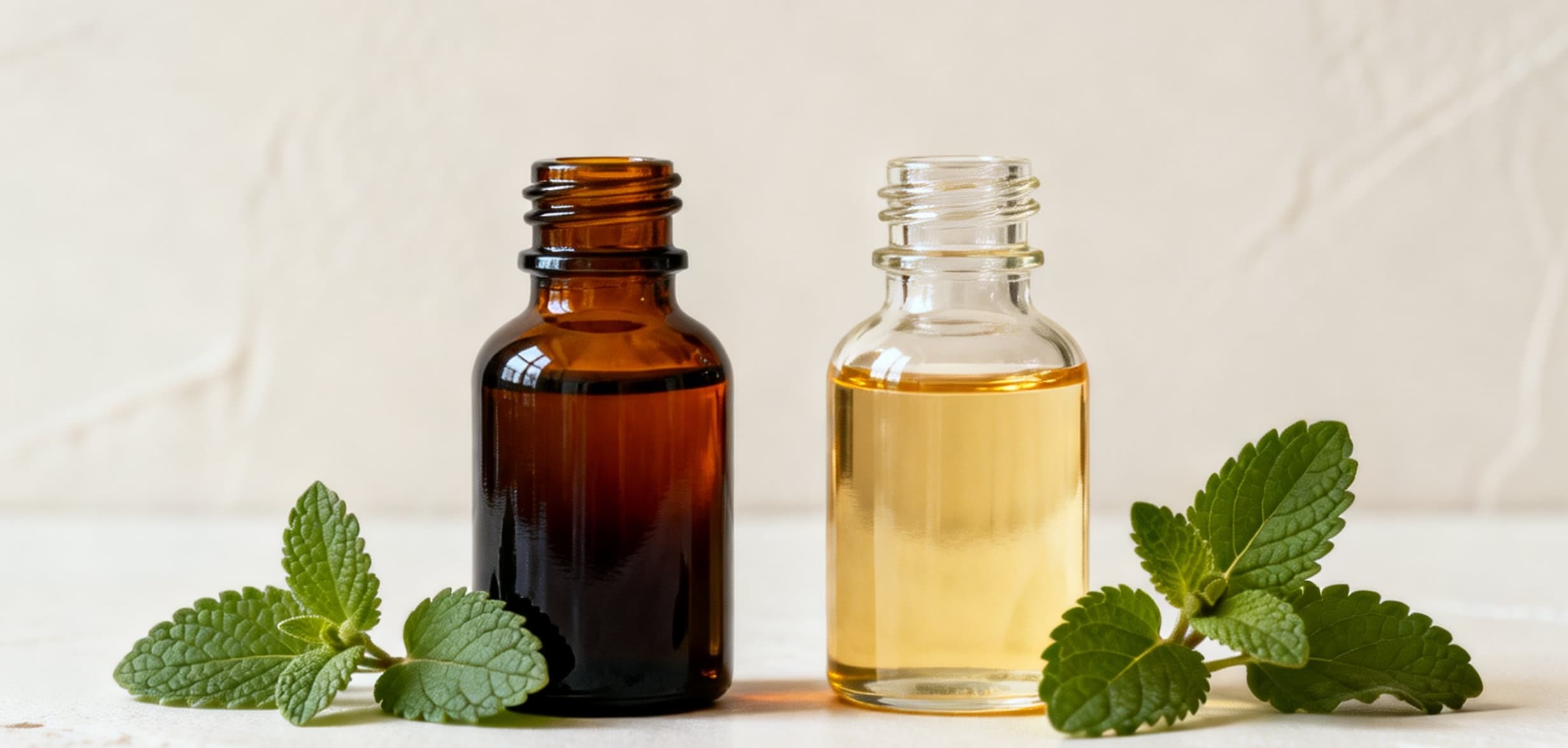
Dark Patchouli oil gets its deep amber-to-brown color from iron distillation equipment and its thick consistency from extended aging. Over time, oxidation and chemical maturation develop complex aromatic compounds, producing an oil that is:
Deeply complex: in aroma — rich, earthy, musky, with balsamic and woody depthRich in aromatic complexity: — aging develops deep balsamic and woody notes prized in fine perfumeryThicker in consistency: — heavier body compared to freshly distilled oilBest Applications for Dark Patchouli
Dark Patchouli is the traditional choice for:
Fine perfumery: Prized as a base note for its depth and exceptional fixative properties. It anchors fragrances and extends their longevity on skin.Niche and luxury fragrance houses: The complexity of aged Patchouli adds character to bespoke and artisanal compositions.Premium home fragrance: High-end candles and diffusers benefit from the oil's rich throw and lasting power.Deep aromatherapy blends: Grounding, meditation, and stress-relief formulations.Quality Indicators
When evaluating Dark Patchouli oil, look for:
Color
Dark amber to deep brown
Specific gravity
0.955 - 0.985
Light Patchouli Oil
What Makes It "Light"
Light Patchouli oil comes from fresher distillation — the oil is used or shipped relatively soon after extraction, before significant aging occurs. This produces:
A lighter color: — golden to light amberA fresher aroma: — more herbaceous and green, with lighter earthy notesA thinner consistency: — easier to blend and formulate withHigher patchoulol content: — typically 32-38%, as stainless steel distillation better preserves this key compoundBest Applications for Light Patchouli
Light Patchouli is often preferred for:
Cosmetics and skincare: Its lighter profile blends well in formulations without overpowering other ingredients.Personal care products: Deodorants, shampoos, and body care where a subtler Patchouli character is desired.Everyday fragrances: Body mists, colognes, and accessible perfume lines.Aromatherapy: Calming blends, room sprays, and wellness products.Quality Indicators
Color
Light amber to golden
Specific gravity
0.950 - 0.975
How to Choose the Right Grade
The choice between dark and light Patchouli depends on your end product:
If aged aromatic complexity and depth are priorities: (fine perfumery, luxury candles), choose Dark Patchouli for its rich, matured character.If high patchoulol content, versatility, and blendability matter more: (cosmetics, personal care, everyday fragrances), choose Light Patchouli.**If you're unsure**, request samples of both grades. Testing in your actual formulation is the most reliable way to decide.Patchoulol: The Key Compound
Patchoulol is the primary sesquiterpene alcohol in Patchouli oil and the main driver of its characteristic scent. Higher patchoulol content generally means:
A more intense, characteristic Patchouli aromaBetter fixative properties in fragrance blendsGreater perceived quality in the marketInterestingly, Light Patchouli (stainless steel distilled) typically has higher patchoulol content (32-38%) than Dark Patchouli (27-33%). The dark color comes from iron distillation, not higher patchoulol concentration. Dark Patchouli's value lies in its aged aromatic complexity — the deep balsamic and woody notes developed through maturation.
Sourcing Considerations
When evaluating a Patchouli oil supplier, ask for:
Certificate of Analysis (COA): for each batch — confirm patchoulol content via GC analysisConsistency across batches: — a reliable supplier should deliver within spec every timeOrigin traceability: — Indonesian Patchouli from Sulawesi and Sumatra is widely regarded as the world's bestMSDS documentation: — essential for regulatory compliance
Interested in our premium Patchouli Oil? [Request samples](/contact) and we'll include full COA and GC/MS documentation.